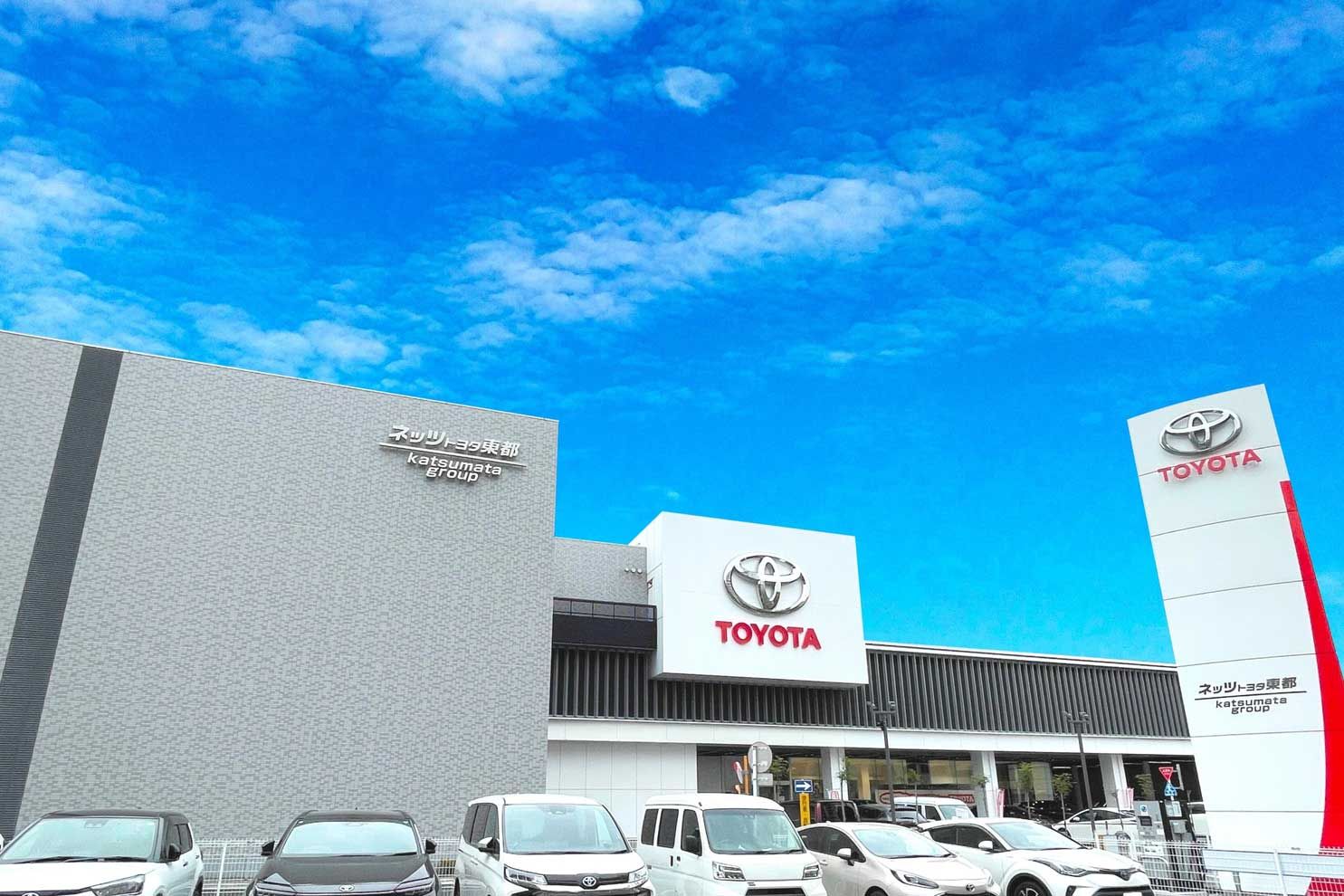
Toyota's Struggle: Structural Darkness Behind the Car Shortage
Certification scandals, a weak yen, and Middle East tensions delay deliveries, hurting dealers and exposing structural issues in Japan's key industry.
The Reality: From "Someday a Crown" to "Never Arriving"
In 2026, an unprecedented abnormal situation has become the norm in the Japanese automotive market, particularly for Toyota Motor Corporation, which boasts an overwhelming market share. "I want to buy, but I can't." "There is nothing to sell." The days when cars were delivered within 1 to 2 months of ordering are now a distant memory. Today, most of Toyota's flagship models require more than a year from order to delivery, and popular models take nearly two years, or are displayed with a "Suspension of Orders" sign.
This prolonged and severe supply shortage is not just a temporary parts shortage. Beneath the surface lies a complex mix of recurring certification scandals, a historically weak yen, and renewed geopolitical tensions surrounding Iran in the Middle East—a structural darkness shaking Japan's key industry to its core.
Model | Expected Delivery Time (As of 2026) | Main Delay Factors |
Alphard / Vellfire | 1.5 to 2 years | Explosive demand and shortage of high-performance parts |
Land Cruiser | Orders suspended (Resumption TBD) | Global excess demand and production capacity limits |
Prius (HEV Model) | 8 months to 1 year | Difficulty in procuring hybrid-specific parts |
HiAce Wagon | Orders suspended (Resumption TBD) | Excess demand and production capacity limits |
*Orders are unavailable for most other models as well.
Dealers Hit by a "Triple Whammy" and Future Anxiety
"All we can do is apologize to our customers," says a sales representative at a Toyota dealership in Tokyo, looking exhausted. Dealerships today face management challenges far more severe than just "undelivered cars."
First is the collapse of the profit structure. Profits from new car sales are recorded at the time of delivery, but a gap of over a year between contract and delivery causes costs to balloon in the interim. Furthermore, market prices fluctuate during the wait, frequently making it impossible to maintain initial trade-in values. Second is the cutthroat competition caused by the "all-store, all-model sales integration" that began in 2020. A fierce internal struggle where customers defect to dealerships with even slightly faster delivery times is wearing down the frontline staff.
Third is the uncertainty about the future. To reduce development burdens, the manufacturer is finalizing a policy to extend the model redesign cycle from the conventional 5 years to about 9 years. For dealerships, this means they can no longer expect the "explosive customer draw" that new models bring. "Nothing to sell, and no future in sight." Such cries are rising from dealers nationwide.
The Double Punch of the Iran Conflict and the Logistics "2024 Problem"
Tensions in the Middle East are further exacerbating these domestic troubles. The resurgence of conflict surrounding Iran is not only driving up energy prices but also paralyzing global shipping networks. Tension in the Strait of Hormuz has led to high crude oil prices, directly impacting the manufacturing costs of automotive components such as plastics and steel sheets. Furthermore, transit risks in the Red Sea and Suez Canal have forced shipments bound for Europe to reroute around the Cape of Good Hope, making longer transit times and higher costs the new norm.
Domestically, the impact of the labor shortage in the logistics industry—the so-called "2024 problem"—has surfaced in an even more severe form in 2026. A shortage of car carrier drivers is further delaying the time it takes for completed vehicles to travel from factories to dealerships. Uncontrollable external factors, such as skyrocketing energy prices and rising labor costs, have broken the magic of "just-in-time" automotive production.
Structural Defect Surrounding Japan: Weak Yen and "Overseas Priority"
However, it is not that Toyota is not producing vehicles at all. On the contrary, global production volume remains high. Why then are only Japanese users kept waiting for so long?
The root cause lies in the distorted structure brought about by the weak yen. With the historic depreciation of the yen settling around 150 to 160 yen per dollar, manufacturers are incentivized by the logic of prioritizing the highly profitable North American and European markets for every vehicle sold. Domestically allocated shares are cut, and supply to overseas markets is prioritized. A highly ironic structure has taken hold where the consumers of Japan's representative company are treated as secondary.
Furthermore, as the entire automotive industry rushes toward the transition to "SDV (Software-Defined Vehicles)," resources are being concentrated on software development rather than hardware updates. This has led to the optimization of existing production lines being sidelined, further accelerating delivery delays during this period of transition.
Conclusion: Is "Buying a Car" Now a Privileged Experience?
In 2026, buying a car is no longer a "casual trade-in" as it once was, but rather a "special decision" requiring long patience and a readiness for high maintenance costs. Unstable parts supply, geopolitical risks, and the decline of the Japanese economy. These compounding factors cannot be resolved overnight.
Can Toyota, and the Japanese automotive industry, emerge from this structural darkness? With frontline sales staff reaching their limits and consumers increasingly moving away from car ownership, the industry that serves as Japan's backbone is now facing its greatest test.
【Reference Sources】