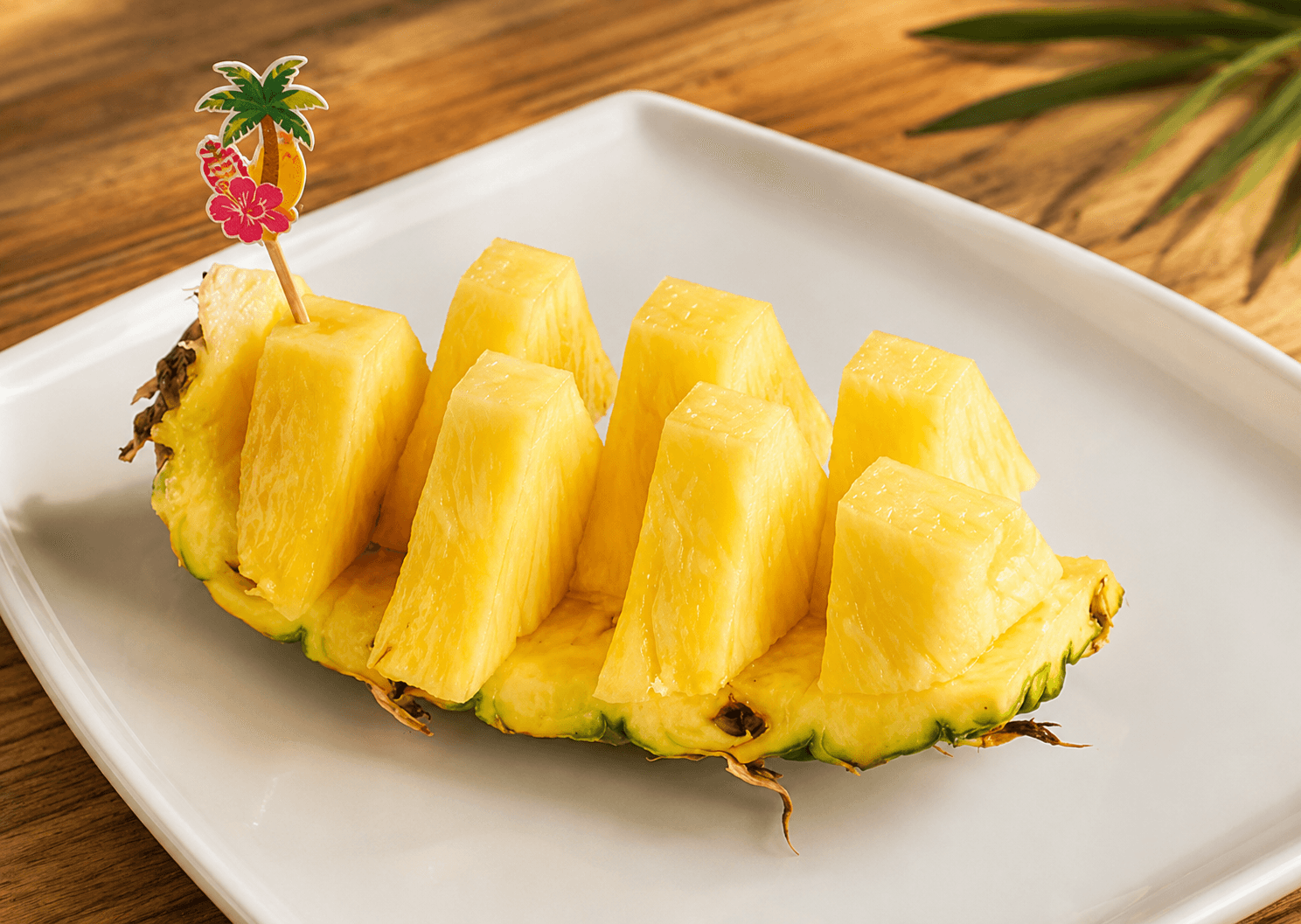
2026 Domestic Pineapple Bumper Crop! Brand Comparison and Nutrition Guide
A guide to Japan's 2026 pineapple bumper crop, explaining brand differences like Peach and Snack pineapples, nutritional benefits, and tips for eating them.
Pineapples Nurtured by Early Summer Sun: The Long-Awaited Bumper Crop of 2026
As we enter May, the sweet scent from the southern islands has begun to arrive. When it comes to pineapple, a representative fruit of early summer, the domestic harvest in 2026 (primarily from Okinawa Prefecture) is expected to be a bumper crop, exceeding typical years thanks to moderate rainfall in early spring and stable hours of sunlight. Shipments of Ishigaki Island pineapples, in particular, began in late April, and the harvest will reach its peak from June through July.
Due to its bright yellow color and stimulating sweet-and-sour flavor, the pineapple is also known as the "fruit of the sun." However, its history, cultivation in Japan, and surprising nutritional benefits are actually not very well known. Today, we will delve into the appeal and delicious ways to enjoy pineapples, which are currently in season.
The Journey of Pineapples and Cultivation in Japan: Started from Seedlings Washed Ashore on Ishigaki Island?
The pineapple is native to South America (near Brazil) and was discovered by Columbus in the 15th century, subsequently spreading across the globe. There is an interesting anecdote regarding its arrival in Japan: in 1866 (the end of the Edo period), seedlings from a Dutch ship that ran aground off Ishigaki Island washed ashore in Kabira Bay, which is said to be the beginning of pineapple cultivation here.
Later, the northern part of Okinawa main island and Ishigaki Island—which feature a subtropical climate and unique red acidic soil—were established as production areas. Today, commercial pineapple cultivation in Japan is almost entirely limited to Okinawa Prefecture and parts of Kagoshima Prefecture, making domestic pineapples a highly rare and valuable fruit.
Domestic vs. Imported: Key Differences and Brands to Know
There are clear differences between imported pineapples, such as those from the Philippines commonly found in supermarkets, and domestic pineapples from Okinawa. The biggest point is "ripeness." Imported pineapples are harvested while green to account for transport times, whereas domestic ones are harvested only after being allowed to fully ripen on the tree, resulting in an overwhelmingly stronger aroma and sweetness. In addition, many domestic varieties are characterized by having edible cores.
Brand Name | Key Features | Recommended Way to Eat |
Peach Pine | Sweet, peach-like aroma. Soft core. | Slice and eat directly, including the core. |
Snack Pine | Can be easily torn apart by hand to eat. | Tear off section by section with your fingers like a snack. |
Gold Barrel | Top-tier large variety. Extremely sweet with little acidity. | Great for gifts. Enjoy in luxurious thick slices. |
A Treasury of Vitamins and Enzymes: Benefits for Beauty and Health
Pineapples are rich in nutrients, almost like a "natural supplement." Below is a summary of the main nutritional components and their effects.
- Vitamin C: For beautiful skin and boosting immunity. It is so abundant that a single pineapple can cover the daily required intake.
- Vitamin B1: Converts carbohydrates into energy, helping to recover from fatigue. Perfect for preventing summer heat fatigue.
- Bromelain (Enzyme): A protein-digesting enzyme that aids digestion and prevents stomach heaviness. It is recommended to consume with meat dishes.
- Dietary Fiber & Potassium: Regulates the stomach and helps discharge excess water (relieving bloating).
Recommended Ways to Eat and Storage Hacks: Frozen Pineapple and Fresh Juice
【How to Make Frozen Pineapple】
Simply cut a ripe pineapple into bite-sized pieces, place them in an airtight bag, and freeze. You can enjoy them as a "natural sherbet" on hot days. Eating them before they fully thaw is recommended for a nice slushy texture.
【The Ultimate Fresh Juice】
For domestic pineapples with soft cores, just run them through a blender to make rich juice. Mixing it with milk or soy milk turns it into a "pineapple smoothie," perfect for morning nutrition.
【Storage Hack】
The trick is to "place the pineapple upside down with the leaves at the bottom" one to two days before eating. Because sweetness tends to pool at the bottom of a pineapple, keeping it upside down allows the sweetness to spread throughout the fruit, letting you enjoy it deliciously to the very end.
2026 is a year when high-quality domestic pineapples are easy to find. Be sure to experience the melting sweetness and rich aroma that only tree-ripened pineapples can offer.
【Sources】
- Orion Beer Official: Okinawa Pineapple Complete Guide
- Nago Pineapple Park News
- Radish Boya: Pineapple Knowledge