Artemis 2 Returns Safely! Successful Crewed Lunar Flyby for the First Time in 50 Years
NASA's Artemis 2 crewed lunar flyby mission concluded successfully on April 10, marking a major step toward landing humans on the Moon again.
I can't stop getting excited about things like the far side of the Moon. Alien bases, ancient lost civilizations, haha.
At 5:07 PM on April 10, 2026 (Pacific Standard Time), a historic moment for humanity occurred. The Orion spacecraft, carrying four astronauts from NASA's crewed lunar flyby mission, "Artemis II," splashed down safely in the Pacific Ocean off the coast of San Diego. The success of this crewed lunar exploration mission—the first in about 54 years since Apollo 17 in 1972—has brought great excitement worldwide.
■ Mission Highlights and Historical Background
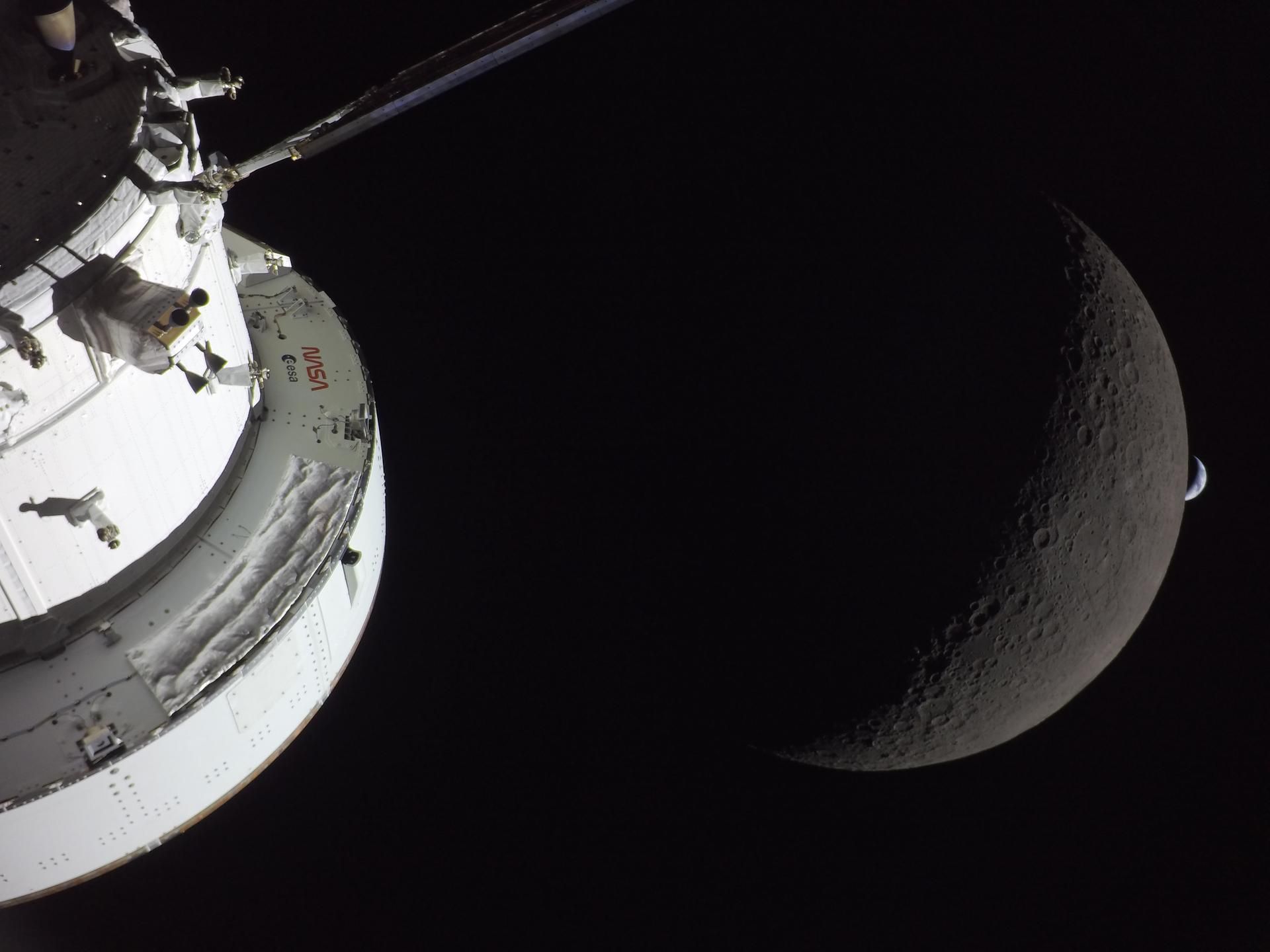
Artemis 2 is the Artemis program's first crewed flight mission, following the uncrewed Artemis 1 in 2022. Launched from the Kennedy Space Center on April 1, 2026, by the massive SLS (Space Launch System) rocket, the spacecraft "Integrity" continued its space journey for approximately 9 days.
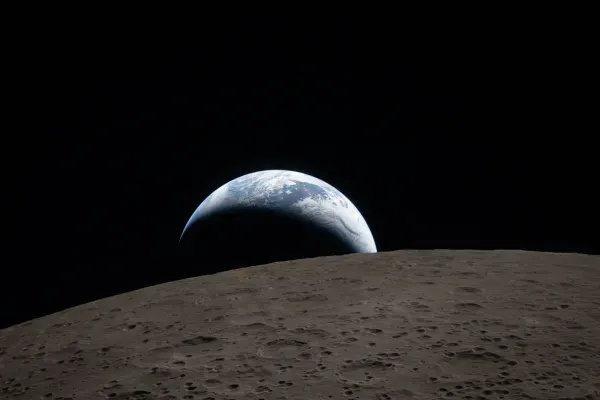
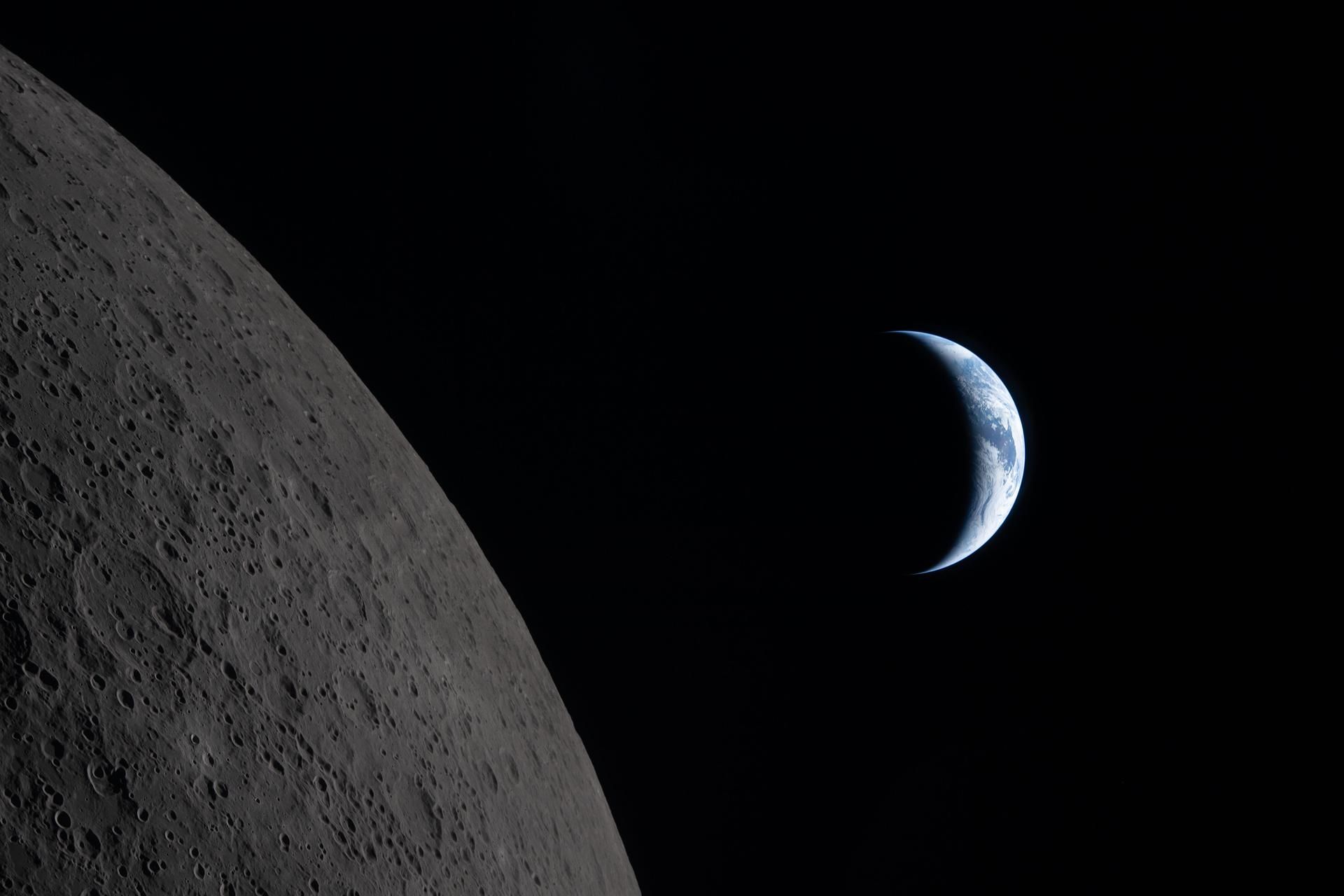
Particularly noteworthy in this mission was the distance reached on April 6, approximately 252,756 miles (about 400,000 kilometers) from Earth. This broke the record for the farthest distance reached by humans previously held by Apollo 13, making it the deepest space spaceflight humanity has ever achieved. The crew took high-resolution footage while passing the far side of the Moon and shared the rare experience of witnessing "Earthset" (Earth setting below the lunar horizon) rather than "Earthrise."
■ Four Heroes Rich in Diversity
The crew that led this mission to success represented the faces of a new era in space exploration. (Unfortunately, there were no Japanese members this time.)
- リード・ワイズマン(船長):NASAのベテラン飛行士として指揮を執りました。
- ビクター・グローバー(パイロット):黒人として初めて月ミッションに参加しました。
- クリスティーナ・コック(ミッション・スペシャリスト):女性として初めて月へ向かい、自身の持つ女性の宇宙滞在最長記録に新たな歴史を加えました。
- ジェレミー・ハンセン(ミッション・スペシャリスト):カナダ宇宙庁(CSA)所属。米国人以外で初めて月へ到達した人物となりました。
After splashing down, these four were recovered by the US Navy amphibious transport dock ship, USS John P. Murtha. All were reported to be in good condition during the initial health checks and are heading to the Johnson Space Center in Houston for further detailed evaluations.
■ Next Stage: Landing on the Moon with "Artemis 3"
The success of Artemis 2 is more than just breaking records. Having fully verified the Orion spacecraft's life support systems, deep space communications, and manual piloting capabilities in a real environment serves as a definitive "Go" for the next mission, "Artemis 3."
Scheduled for 2028, Artemis 3 aims to finally land humans near the lunar south pole again. A Human Landing System (HLS) based on SpaceX's Starship is planned for use. Additionally, construction of the Gateway, a small station in lunar orbit, will proceed in parallel, establishing the foundation for sustainable human presence on the Moon.
This return will be remembered not just as the beginning of the end, but as a brilliant milestone for humanity's evolution into a multi-planetary species.
■ References
- NASA Artemis II Mission Overview https://www.nasa.gov/artemis-ii
- CSA Canadian Space Agency - Artemis II https://www.asc-csa.gc.ca/eng/astronomy/moon-exploration/artemis-2.asp
- Space.com - Artemis 2 lunar mission latest updates https://www.space.com/news/live/artemis-2-updates