Spring 2026 Flatfish Trends: Catch Updates and 3 Delicious Recipes
An overview of flatfish (karei) landing trends in 2026. Features seasonal characteristics and three easy, delicious recipes for the home cook.
What Kind of Fish is Karei (Flatfish)?
Written in Kanji as "鰈" (Karei), flatfish encompass a vast family of around 100 species globally, with dozens found in Japanese coastal waters. As the Japanese saying "Left Hirame, Right Karei" indicates, most flatfish have both eyes on the right side of their body. They live on sandy ocean floors, hiding in the mud. Their white meat is mild and elegant, and females caught before spawning are prized for their large egg sacks, known as **child-bearing karei**. Simmered in a sweet and savory sauce, they have long been a favorite winter-to-spring delicacy on Japanese dinner tables.
A great feature of karei is its diversity, ensuring that some species are always in season throughout the year. However, spring to early summer is the most vibrant period, as spawned fish recover their fat and egg-bearing species hit the market.
Although karei is a popular food fish, its long lifespan and slow growth make it difficult to farm, but some regions are now focusing on aquaculture to stabilize landings.
Resource Trends and Shifting Catch Areas
In 2026, the karei fishery is facing rising sea temperatures due to climate change, but strategic fishing practices remain active. A major trend this year is the northward shift of major catch areas.
Historically abundant in the Joban (Fukushima/Ibaraki) and Sanriku regions, the main fishing grounds for Magarei and Makogarei have shifted to southern Hokkaido and the Okhotsk Sea. While northern ports report catches exceeding annual averages, southern ports struggle to maintain volume.
However, along the Tohoku coast (Iwate and Miyagi), long-term resource management efforts like releasing fry and enforcing closed seasons have helped high-end species like Nametagarei recover. Overall landing volumes for 2026 remain stable, and prices have hovered at average levels, keeping this delicious fish affordable for consumers.
Regional Branding and Upcycling "Underutilized Fish"
Another notable trend is the regional branding of karei. Joining Oita's "Joko Karei" and Fukui's "Echizen Garei," Hokkaido launched "Hokkai O-Garei" in 2026, featuring strict freshness controls and high quality standards. While premium-priced, these brands are popular in high-end restaurants and as tax-donation (Furusato Nozei) gifts.
Additionally, from an SDGs perspective, there is an active movement to use "underutilized fish"—karei that are too small or have minor fin damage. These are now processed into frozen fillets, cutlets for frying, or featured as main dishes in meal kits, offering sustainable seafood options for home cooking.
Karei Types and Seasons: Which One to Choose Now?
Seasonality and features vary by species. Knowing which flatfish is in season helps you choose the best flavor.
Species | Peak Season | Features & Recommendations |
Magarei | Winter – Spring | The king of simmering. Flaky white meat with elegant sweetness. |
Makogarei | Spring – Summer | Excellent for sashimi. Gains rich fat in summer; the fin meat (engawa) is delicious. |
Mizugarei | Spring – Summer | High water content and soft texture. Best for meunière or dried fish. |
Hoshigarei | Summer – Autumn | One of the finest high-end species. Thick fillets with highly concentrated umami. |
Top 3 Karei Recipes
If you find fresh karei at the market, try these three simple and delicious cooking methods designed to bring out the best in white fish.
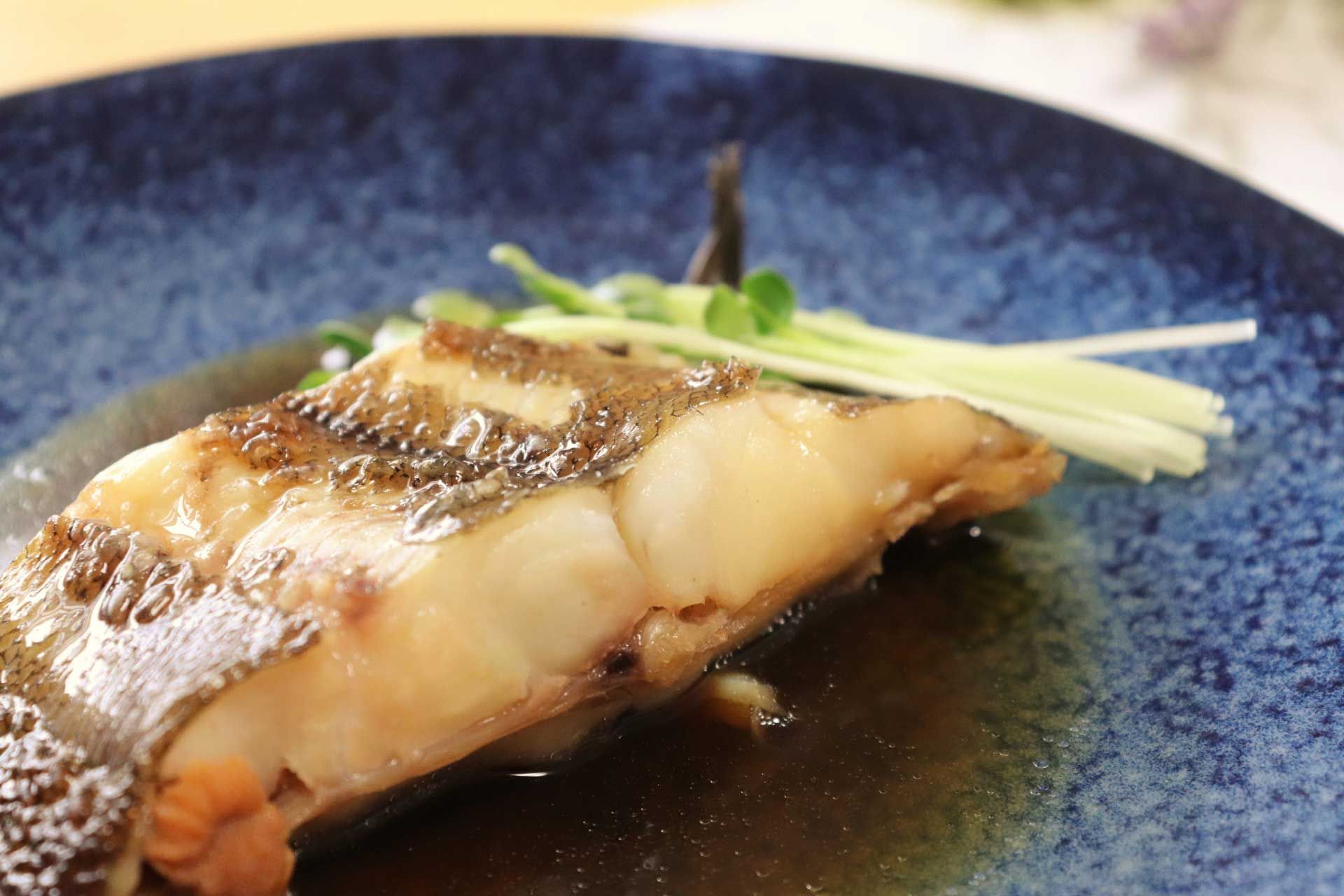
1st Place: Classic Simmered Karei (Nitsuke)
The undisputed favorite. During this season, egg-bearing karei simmered in a sweet soy glaze is spectacular, offering a great contrast between the soft meat and the rich eggs.
【Preparation】
- Score the skin of the fish with a cross and blanch it briefly in boiling water to remove any fishy smell.
- Bring the simmering liquid (soy sauce, mirin, sake, sugar) and ginger slices to a boil in a pot.
- Place the karei in the pot without overlapping, cover with a drop-lid (otoshibuta), and simmer over medium heat for 10–12 minutes.
- Turn off the heat and let it rest briefly so the flavors soak into the core of the fish.
2nd Place: Butter-Fragrant Karei Meunière
Perfect for softer Mizugarei or smaller flatfish. The rich butter highlights the delicate flavor of the white meat.
【Preparation】
- Season the fish with salt and pepper, pat dry, and dust lightly with flour.
- Melt butter in a pan. Once the foam subsides, place the fish skin-side down.
- Cook over medium heat until golden brown, then flip.
- Once both sides are crispy, finish with a squeeze of fresh lemon juice.
3rd Place: Foil-Baked Karei with Vegetables
Steaming in foil locks in the fish's natural juices and keeps the meat incredibly tender. It is healthy and easy to clean up.
【Preparation】
- Spread aluminum foil and lay down a bed of sliced onions.
- Place the karei on top and surround it with shimeji mushrooms and asparagus.
- Drizzle with cooking sake and seal the foil tightly.
- Bake in a toaster oven or skillet for 12–15 minutes.
- Drizzle with ponzu or butter-soy sauce right before eating.
Summary
Despite environmental shifts like warming waters, the quality and supply of karei remain high. From classic simmered dishes to western meunières, karei offers great versatility. Bring this seasonal gift of the sea to your dining table today.
Sources