2026 Corn Front: The Trial of Extreme Heat
Due to extreme heat in 2026, concerns rise over pest outbreaks and water shortages for corn. A look at key production areas and market trends in Japan.
Record High Temperatures Bring an "Accelerated" Harvest Season
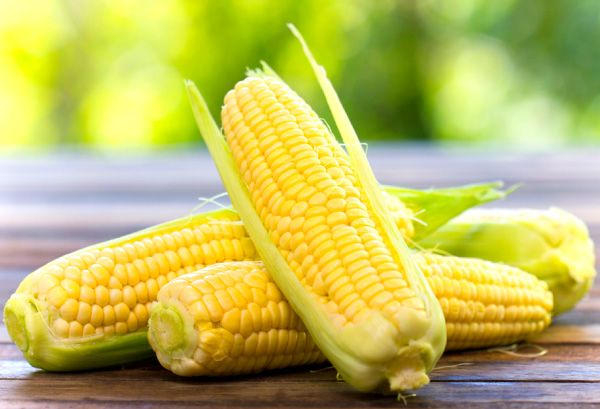
In 2026, the Japanese archipelago experienced a record-warm winter starting in February, followed by extreme heat in early summer, causing significant changes in crop growth cycles. Sweet corn, a representative early summer delicacy, is no exception. In Kyushu regions such as Miyazaki and Kagoshima prefectures, and the Kanto region centered around Chiba prefecture, shipments have started a week to ten days earlier than usual, beginning to color supermarket shelves.
However, this accelerated schedule is not entirely cause for celebration. The Ministry of Agriculture, Forestry and Fisheries (MAFF) and local agricultural guidance centers are warning of potential quality degradation due to prolonged high temperatures, as well as poor growth due to water shortages.
Current Status of Major Production Areas: From Hokkaido to Kanto
In Hokkaido, which is the largest producer accounting for about 40% of domestic production, growth is in its final stages heading toward the July shipment peak. In locations like Memuro town in the Tokachi region and Furano city, daytime temperatures have consistently exceeded 30 degrees Celsius, making water management the top concern for farmers.
Meanwhile, in Chiba prefecture, the largest producer in Kanto, shipments began in earnest in late May. Although stable supplies continue, centered on the main variety "Gold Rush," some areas have reported outbreaks of pests like the Asian corn borer due to high temperatures, requiring more rigorous management than in average years.
Major Types and Characteristics of Corn
Aside from the sweet corn we usually consume, there are various types of corn depending on their usage. Their main features are summarized in the table below.
Type (Classification) | Main Uses and Features |
Sweet Corn | For eating (sweet type). High sugar content, ideal for eating raw or cooked. |
Popcorn | For snacks (popping type). The hull bursts open and expands when heated. |
Dent Corn | For feed and industrial use (field type). Mainly used as raw material for starch or livestock feed. |
Flint Corn | For food and processing (flint type). Used as raw material for cornmeal, tacos, etc. |
The Trial of Extreme Heat: Quality Control and Pest Concerns
The feature of 2026 is that record-breaking extreme heat is expected under the influence of a "Super El Niño" rather than just high temperatures. Although corn is a crop that prefers hot and humid conditions, extreme heat just before harvest can cause "tip blanking" (a phenomenon where kernels do not fill to the tip) or a rapid drop in sugar content.
Even more serious is pest activity. Higher temperatures accelerate the generation cycles of pests, and once an outbreak occurs, damage can spread in the blink of an eye. One farmer growing Yamanashi's famous brand "Kankanmusume" expressed concern, saying, "What scares me most is when nighttime temperatures do not drop. The ears have no time to rest, and the sweetness may not concentrate."
Production Trends and Extreme Reliance on Imports
In recent years, domestic sweet corn production has remained flat, ranging between 200,000 and 210,000 tons. Meanwhile, Japan relies on imports for the vast majority of its overall corn demand, importing about 15 to 16 million tons annually, with about 90% coming from the United States. Around 65% of the imported corn is used for animal feed, meaning that the prices of meat and dairy products on our tables are directly linked to U.S. corn market prices.
Although global production for the 2026 fiscal year is projected to reach record highs due to increased production in the U.S., import prices in Japan remain high due to the weak yen and rising ocean freight rates. Thus, the stable supply of domestic sweet corn is an important indicator not only for our summer enjoyment but also for considering the resilience of agriculture as a whole.
The Nationwide Shift of the Peak Season
The peak season for corn moves from south to north, just like the cherry blossom front. It runs from May to June in Kyushu and Shikoku, June to July in Kanto and Tokai, and July to August—extending to early September—in Shinshu, Tohoku, and Hokkaido. Brand varieties available only in specific regions, such as Hokkaido's "Dakekimi" and Yamanashi's "Kankanmusume," see a flood of orders from across the country for their brief, few-week peak seasons.
In a scorching hot summer, eating chilled corn is an essential part of summer in Japan. Let us pay attention to each kernel delivered through the hard work of farmers this year.
【Sources】
- Ministry of Agriculture, Forestry and Fisheries "Crop Growth Status Survey"
- JapanCrops: Corn Production Statistics and Producer Trends
- Corn Information Site: Global Supply-Demand and Import Trends