The Terror and Prevention of Urinary Stones: From Intense Pain to the Impact of Coffee
An in-depth guide on urinary stones, covering symptoms, risk factors, prevention methods, the impact of coffee, and surgery cost estimates.
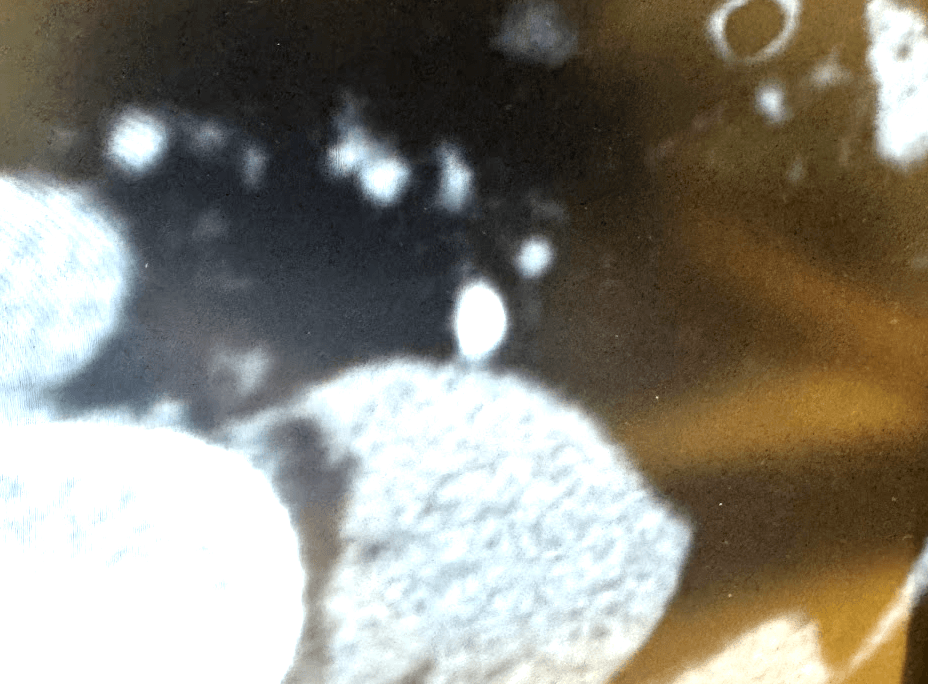
To tell you the truth, Kurousagi got urinary stones, haha. One day I was suddenly struck by an excruciating pain that made me writhe. Since it was Sunday, I spent the whole day curled up enduring the pain. When I went to the hospital the next day, a ureteral stone was discovered. I was finally able to live normally after receiving painkillers, but it has already grown to about 6-8mm and shows no sign of coming out easily. So I have researched various details and will share them here.
The King of Pain: The Modern Threat of Urinary Stones
"Suddenly, a severe, unprecedented pain struck from my side to my lower abdomen"――along with myocardial infarction and subarachnoid hemorrhage, "urinary stones" is frequently cited as a major reason for calling an ambulance. As of the latest statistics in 2026, the rate among Japanese people continues to rise, cementing it as one of the "modern ailments."
Urinary stones occur when components in urine, such as calcium, oxalate, and uric acid, crystallize and lodge in the urinary tract (kidneys, ureter, bladder, urethra). In particular, the pain when a stone passes through the ureter is counted in the medical community as one of the "three major pains alongside childbirth and trigeminal neuralgia." In this article, we will thoroughly explain the true identity of this terrifying disease, the characteristics of those prone to it, dietary habits for prevention, and the latest treatment costs.
Characteristics of Urinary Stones and the Mechanism of "Intense Pain"
Actually, there are many cases where patients feel no pain as long as the stone is simply inside the body. However, the moment a stone created in the kidneys drops into the "ureter"――a narrow tube――hell begins. The ureter is a very thin muscular tube with a diameter of about 4 to 7 mm, and when hard crystals get stuck there, the flow of urine is blocked. This causes the internal pressure in the renal pelvis upstream to spike, strongly stimulating the surrounding nerves. This is the mechanism behind the pain known as "renal colic."
There are actually different types of urinary stones. The following four types are the main ones:
Type of Stone | Percentage (Approx.) | Main Causes / Features |
Calcium Oxalate Stone | Approx. 80% | Most common. Caused by dietary factors such as excessive intake of oxalates (spinach, coffee, etc.). |
Calcium Phosphate Stone | Approx. 5–10% | Often associated with urinary tract infections, hormonal abnormalities, or metabolic issues. |
Uric Acid Stone | Approx. 5% | Common in patients with hyperuricemia (gout). Tends to form when urine becomes acidic. |
Cystine Stone | Less than 1% | A rare disease caused by genetic amino acid transport disorders. Recurrence rate is extremely high. |
Who is Prone to It? Reviewing Risk Factors
Urinary stones are a "silent disease" heavily influenced by lifestyle habits. With the spread of telecommuting and reduced outings during COVID-19, lack of exercise and the westernization of diets have further pushed up the incidence rate.
1. Gender and Age Group
While urinary stones used to be strongly associated with middle-aged men, the number of female and younger patients has been increasing in recent years. The lifetime risk of experiencing urinary stones is estimated to be about 15% for men and 7% for women――meaning roughly 1 in 7 men and 1 in 15 women will suffer from it. The peak age is in the 40s to 50s for men, and post-menopausal 50s and beyond for women.
2. Metabolic Abnormalities and Underlying Conditions
People with metabolic syndrome, such as obesity, high blood pressure, or diabetes, have a dramatically higher risk of stone formation because they tend to excrete more calcium in their urine and their urine tends to be more acidic. Patients with hyperuricemia, which causes gout, also need to be careful.
3. Diet and Fluid Intake
The greatest enemy is "dehydration." When fluid intake is low, urine becomes concentrated, making it easier for components to crystallize. Additionally, excessive consumption of animal protein and salt promotes calcium excretion in urine, making it easier to form the "nucleus" of a stone.
Coffee and Urinary Stones: Foe or Friend?
Many regular drinkers are concerned about the "relationship with coffee." On the internet, opinions are divided between "coffee is dangerous because it contains high levels of oxalates" and "coffee is good because it has a diuretic effect." We summarize the current scientific consensus below.
Conclusion: Coffee itself tends to reduce the risk
It may surprise you, but large-scale epidemiological studies (including research by Harvard University) show that people who drink coffee regularly have about a 25–30% lower risk of developing urinary stones compared to non-drinkers. This is believed to be because the diuretic effect of caffeine in coffee continuously flushes the ureter. It is also pointed out that caffeine may inhibit calcium crystallization.
However, caution is needed in how you drink it
It is true that coffee contains oxalates. A lifestyle where you keep drinking cups of black coffee without drinking any fresh water can increase the risk. The most recommended way to drink it is "to add milk." The calcium in milk binds with the oxalates in the coffee within the intestines and is excreted as stool, dramatically reducing the excretion of oxalates into the urine.
Cases Requiring Surgery, Procedures, and Cost Estimates
If you actually get stones, small stones of 5mm or less can be expected to "pass naturally" with sufficient water intake and pain relievers. However, if the stone exceeds 10mm, or if it completely blocks the urinary tract and adversely affects kidney function, surgical intervention is required depending on the situation.
1. Extracorporeal Shock Wave Lithotripsy (ESWL)
A minimally invasive treatment that applies shock waves from outside the body to crush stones in the kidneys or ureters into sand-like particles (2mm or less) without incision. It is typically the first choice for urinary stones, taking about 30 to 60 minutes, and can be performed as a day surgery or with a 1-night, 2-day hospital stay.
Cost: The estimate for a 30% co-payment is about 60,000 to 100,000 yen (day surgery to 1-night stay). However, it may not succeed in crushing the stone in one go, requiring multiple sessions.
2. Transurethral Ureterolithotripsy (TUL)
An endoscopic surgery where a scope is inserted through the urethra to break and remove stones in the kidneys or ureters using a laser, without cutting the abdomen. Widely performed as a standard treatment for kidney and ureteral stones, it typically requires a 3-night, 4-day hospital stay, but is characterized by near-certain removal of the stones.
Cost: For a 30% co-payment, the estimate is about 100,000 to 170,000 yen including hospitalization fees. Since the stay is usually 2 to 4 nights and the high-cost medical expense benefit system applies, the final out-of-pocket cost is capped depending on income.
3. Percutaneous Nephrolithipropsy (PNL)
A surgery where a small hole (approx. 1 cm) is made in the back into the kidney, and an endoscope is inserted to directly crush and extract large stones (2 cm or more, staghorn stones, etc.). It is effective for large stones that are difficult to treat with ESWL or TUL, and offers a high probability of removal in a single treatment.
Cost: Even with a 30% co-payment, the estimate is around 320,000 yen. It is mainly for large kidney stones of 2 cm or more, requiring hospitalization for about 7 to 10 days. Using the high-cost medical expense benefit system caps the out-of-pocket cost (typically tens of thousands to over 100,000 yen depending on income).
*The above costs are estimates only and vary depending on the medical institution and individual circumstances.
What do you think? It is actually a **disease with fairly high surgical costs**. ESWL is popular as it is cheap and places the least burden on the body, but since it cannot always cure it in one go, it is a disease that can easily cost hundreds of thousands of yen.
The "Ultimate Prevention" for Not Developing Urinary Stones
The biggest nuisance of urinary stones is the extremely high recurrence rate, with **about a 50% recurrence rate within 5 years**. To avoid experiencing that intense pain again, daily lifestyle habits are everything.
Summary
While urinary stones possess cruel destructive power when it comes to pain, appropriate treatment methods have been established in modern medicine, and above all, it is a disease that can be controlled through lifestyle habits. Add milk when enjoying coffee, and pay attention to your daily fluid intake. These small accumulations will serve as your only shield to protect you from that writhing pain.
Sources