Understanding Liver Function: Decoding Medical Exam Results and Lifestyle Tips
Prevent health risks by decoding AST, ALT, and γ-GTP test numbers. Learn about the latest MASLD findings and daily habits to maintain a healthy liver.
A few years ago, people started telling me (Kuro Usagi) that my face looked dark. Apparently, when liver function deteriorates, one's skin tone can turn earthy. Shocked by this, I reduced my alcohol intake and started dieting. Although my skin tone improved slightly, it remained dark, hence my nickname Kuro Usagi (Black Rabbit) lol. Today, let's talk about liver function.
Introduction: Silent Warnings from the "Silent Organ"
The liver is often called the body's largest chemical factory. Weighing about 1/50 of our total body weight (roughly 1.0 to 1.5 kg in adults), it performs over 500 vital tasks, including metabolism, detoxification, and bile production. Since the liver lacks sensory nerves, it does not cause pain or discomfort even as disease progresses. Consequently, it has long been known as the "silent organ."
Improving liver function test results is not just about health awareness; it is crucial for controlling lifestyle-related diseases. Specifically, addressing "MASLD" (Metabolic Dysfunction-Associated Steatotic Liver Disease), a modern concept of fatty liver, is key to reducing the future risk of cirrhosis and liver cancer. This article breaks down how to interpret liver health readings, shares scientific lifestyle tips, and highlights surprising liver facts.
Liver Function Test Panels: Decoding AST, ALT, and γ-GTP
Acronyms like AST, ALT, and γ-GTP on your test sheet refer to enzymes present in the liver. When liver cells are damaged, these enzymes leak into the bloodstream. By measuring their concentrations, we can detect abnormalities. The table below lists what each test signifies and the primary causes of elevated levels.
Test Item | Reference Value | Meaning & Common Causes for Elevation |
AST (GOT) | 30 U/L or lower | Found in the liver, heart, and muscles. Rises due to liver cell damage, myocardial infarction, or intense exercise. |
ALT (GPT) | 30 U/L or lower | Mainly located in the liver. Highly sensitive to liver damage. An essential indicator for chronic hepatitis and fatty liver. |
γ-GTP | 50 U/L or lower | Abundant in the bile ducts. Rises due to excessive alcohol intake, obesity, or long-term medication use. Kuro Usagi's level once exceeded 600 (yikes!). |
ALP | 38–113 U/L | Found in the bile ducts and bones. High levels indicate sluggish bile flow due to gallstones or bone disorders. |
Decoding Combined Test Results: The Liver's Secret SOS
The balance between different readings helps pinpoint specific causes. For example, if AST is higher than ALT, it suggests alcoholic liver damage, cirrhosis, or damage to the heart or muscles. Conversely, when ALT is higher than AST, it points to non-alcoholic fatty liver disease (now MASLD) associated with obesity.
Furthermore, an isolated, extremely high γ-GTP level usually indicates excessive alcohol consumption or medication side effects. If both γ-GTP and ALP are elevated, it represents bile stasis. Analyzing these items together reveals the exact condition of the liver.
Latest Update: Shift from NAFLD to "MASLD"
One of the most significant changes in hepatology is the diagnostic shift from NAFLD (Non-Alcoholic Fatty Liver Disease) to MASLD (Metabolic Dysfunction-Associated Steatotic Liver Disease) since 2023.
This new definition emphasizes that metabolic dysfunction (such as obesity, hypertension, diabetes, and dyslipidemia) directly drives liver fat accumulation and damage, rather than simply stating that fat is present. Thus, lowering liver enzymes requires improving overall metabolic health. Modern health guidelines are now broadly based on this MASLD perspective.
The Optimal Diet for Liver Protection and Regeneration
While old advice recommended eating high amounts of protein to support the liver, current guidelines focus on the following key strategies:
1. Strictly Avoid Fructose
Alcohol isn't the only substance that damages the liver. Fructose, found in soft drinks, sweets, and excessive fruit, is easily synthesized into fat by the liver, sometimes causing more damage than alcohol. Avoid drinks containing high-fructose corn syrup, and stick to plain water or barley tea.
2. Adopt a Mediterranean-Style Diet
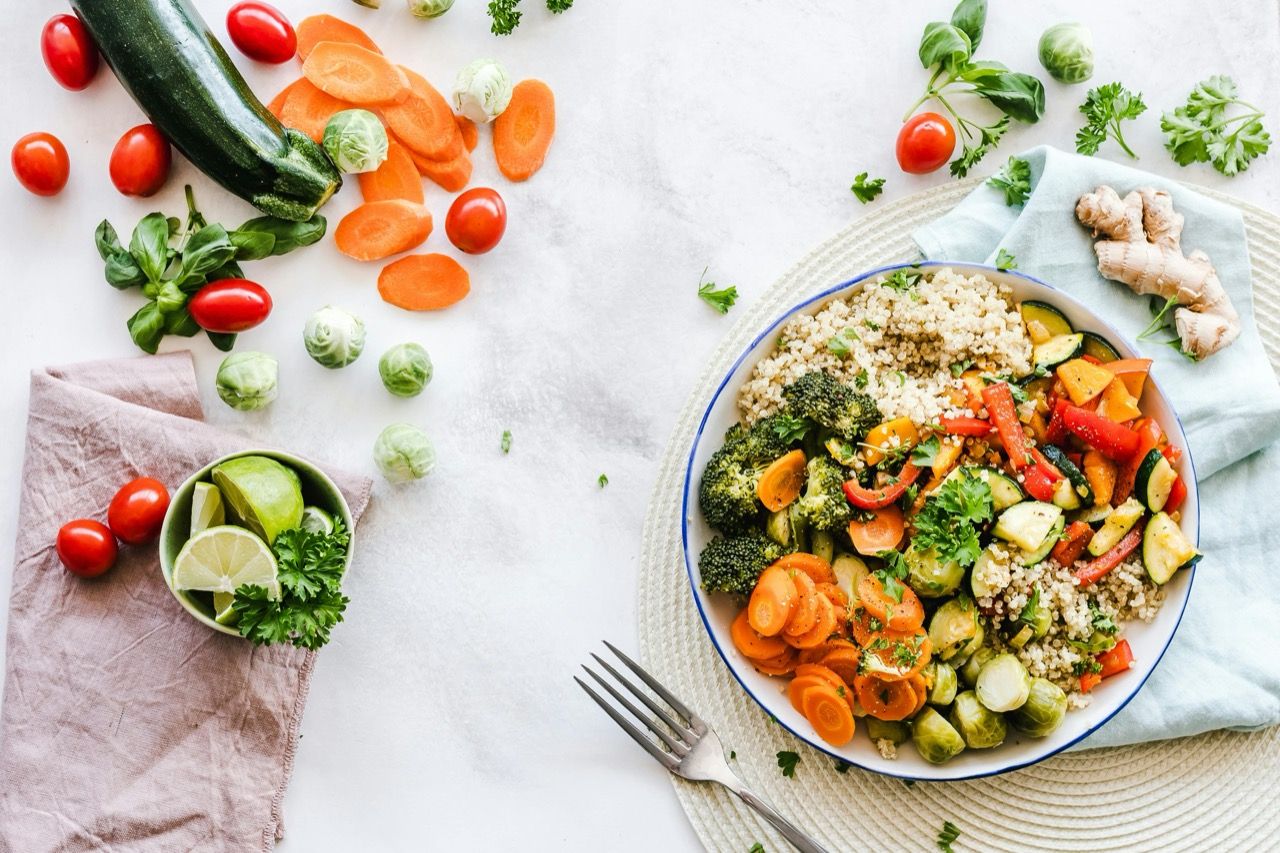
The Mediterranean diet has the strongest scientific backing for liver health. Meals rich in fatty fish (omega-3 fatty acids), olive oil, vegetables, and soy products help suppress liver inflammation.
3. Drink 2 to 3 Cups of Black Coffee Daily
Coffee is a surprising ally. Numerous studies show that drinking 2 to 3 cups of black coffee daily suppresses liver fibrosis and reduces liver cancer risk. However, adding sugar or milk negates these benefits. (Though one might worry about kidney stones lol).
Daily Habits to Improve Liver Health
Small daily choices significantly impact your liver's future.
・Aim for a 7% Weight Reduction
There is no need for rapid weight loss. Losing just 7% of your body weight over 3 to 6 months dramatically reduces both liver fat and inflammation. For someone weighing 70kg, that is a 5kg loss—the magic number to revitalize your liver.
・Build Muscle to Boost Glucose Utilization
Muscles are the body's largest consumers of glucose. Lower-body strength training, like squats, improves insulin sensitivity, preventing excess energy from being stored as liver fat. Exercising twice a week is excellent for liver care.
・Avoid Prolonged Sitting
Recent studies demonstrate that longer sitting times correlate with higher MASLD risks. Make an effort to stand up and stretch every 30 minutes, take the stairs instead of the elevator, and increase non-exercise physical activity (NEAT).
Fascinating Facts About the Liver
Here are some lesser-known facts about the liver's functions and potential risks.
【Fact 1】Mythological and Real Regenerative Ability
If healthy, the liver can regenerate to its original size within a few weeks even if 70% of it is removed. The Greek myth of Prometheus, whose liver was eaten by an eagle daily only to regrow by morning, suggests ancient awareness of this property. However, this regenerative power is lost if chronic neglect leads to fibrosis.
【Fact 2】Can Turmeric and Supplements Cause Harm?
Taking turmeric before drinking is a common habit, but turmeric and certain herbal supplements are known causes of drug-induced liver injury. Supplements meant to help can silently harm the liver. If your liver enzymes are high, stop taking supplements and focus on obtaining nutrients from natural foods.
【Fact 3】The Liver Acts as a Body Heater
Due to its vast array of chemical reactions, the liver generates a substantial amount of heat. As one of the warmest areas in the core, it plays a key role in maintaining body temperature. This explains why people with poor liver function often feel sensitive to the cold.
Conclusion: Protecting Your Lifelong Partner
Slightly elevated liver readings may not cause immediate pain, but they represent the liver's initial warnings. Today, we have access to personalized nutrition and advanced medical care, yet the core principles of liver health remain unchanged: "Do not overeat, stay active, and pay attention to your body." Keep these three rules in mind to protect the quiet partner working hard inside you.
Sources