Around-Sixties Concerns About High Blood Pressure
Reaching the around-sixties age group brings various health concerns. Let's delve into what high blood pressure actually is and explore its causes and remedies.
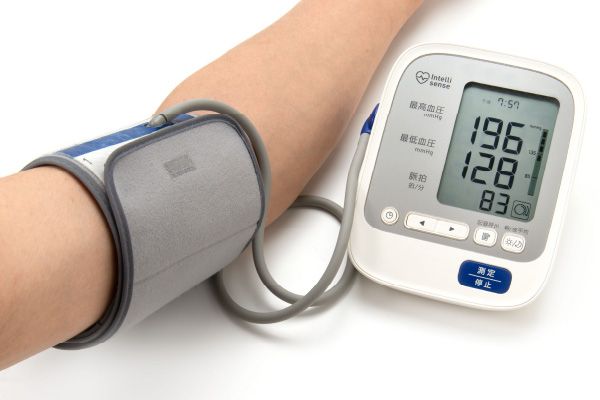
To begin with, many people probably measure their blood pressure regularly at home using a simple blood pressure monitor. Yet, if you ask whether they are doing anything special to address high blood pressure, the answer is often no; many seem to just have it pointed out during their annual health checkup, get prescribed medicine for the time being, and leave it at that. I would like to delve deeper into what exactly the problem is with high blood pressure.
High blood pressure is a state where blood pressure is high.
So, what causes blood pressure to rise?
(High blood pressure is defined as a systolic pressure of 140 mmHg or higher, or a diastolic pressure of 90 mmHg or higher.)
Simply put, there are two causes of high blood pressure: an increase in blood volume, or an increase in blood pressure. Furthermore, the factor of increased pressure can be categorized into the heart, which creates the pressure, and the blood vessels, which receive it. Let's look at specific examples of each.
<Case of increased blood volume: Blood volume is increased due to excessive water retention>
- Simply drinking too much water can cause high blood pressure. However, if you are healthy, it is normally excreted from the body and returns to normal quickly.
- However, excessive salt intake is a major factor. This is why people say you should never drink seawater even if you are thirsty. The human body tries to maintain the appropriate salt concentration in the blood, which is 0.8% to 0.9%, by drawing in water to adjust the concentration. Drinking water with a salt concentration of 3.5%, like seawater, will only make you thirstier.
- The kidneys are responsible for excreting salt from the body, but when salt intake is high, it puts a burden on them to excrete it, damaging the kidneys. Furthermore, if blood pressure remains high continuously, it leads to a vicious cycle where renal cells suffer more damage, eventually destroying kidney function and leading to kidney disease (requiring dialysis).
- If the kidneys are functioning poorly, water excretion does not go well, causing blood pressure to rise.
- By the way, having too little salt also causes problems. Details are described in the extra section below.
<Case of increased blood pressure: The heart is working excessively>
- When the hemoglobin concentration in the blood decreases (anemia) and the oxygen supply to the body becomes insufficient, the heart beats faster to pump more oxygen to the body, causing blood pressure to rise. Since iron is required to make hemoglobin, iron deficiency is said to be the cause in 70% of cases. The remaining 30% include bone marrow issues that affect blood production and shortened red blood cell lifespans.
- Excessive secretion of thyroid hormone (hyperthyroidism) accelerates metabolism, increasing heart rate and raising blood pressure. Hyperthyroidism is an autoimmune disorder known as Graves' disease.
- Chronic stress and mental tension activate the sympathetic nervous system, increasing heart rate and elevating blood pressure.
- When high blood pressure persists, the heart exerts more effort to pump blood against the pressure, creating a vicious cycle that raises blood pressure further.
<Case of increased blood pressure caused by blood vessels>
- When blood vessels harden and lose their elasticity (arteriosclerosis), they receive the pressure from the heart directly. The pressure cannot be dispersed or absorbed, resulting in increased blood pressure.
- Cholesterol, fat, and other substances stick to the vessel walls, obstructing blood flow and raising blood pressure.
- When blood vessels narrow and constrict, resistance to passing blood increases, raising blood pressure. The main cause of narrowing is nicotine from cigarettes.
- Stress or cold causes the autonomic nervous system (sympathetic nervous system) to overwork, constricting blood vessels.
- High blood pressure damages blood vessels. As the body tries to repair them, the vessels become thicker and harder, raising blood pressure further.
- With obesity, the outside of blood vessels is compressed by fat, narrowing the vessels and raising blood pressure.
Ultimately, the human body is incredibly complex, and these are just the clear causes of high blood pressure. Honestly, it is very difficult to live a life keeping all of these in mind to maintain healthy blood pressure. However, the more you learn, the more you understand why high blood pressure is called the root of all diseases.
So, what would the priorities look like when thinking about countermeasures for high blood pressure? Of course, please take the following priorities as a reference only.
- Salt Control
- Stress Control
- Cholesterol Control
I feel these three are the most important countermeasures against high blood pressure. For women, it might be iron control rather than cholesterol. For the around-sixties age group, it is difficult to make major changes to lifestyle patterns at this stage, so it is important to firmly grasp the most crucial points and keep them sustainable. I need to start living a low-salt life right away lol.
Extra:
Having too little salt leads to water intoxication. When the salt concentration in the body becomes diluted, cells swell with water due to differences in osmotic pressure. Brain cells, which cannot expand due to the skull, receive strong pressure, leading to dizziness, nausea, and in the worst cases, death.