Challenge the Sea! Boat License Guide: From Types to Maintenance Costs
A complete guide to getting a boat license in 2026, explaining license types, navigation ranges, maintenance costs, and mooring fees.
As mentioned in my self-introduction, I hold a Class 1 boat license. Since I recently renewed my license, I have re-investigated the current boat-related conditions.
Obtaining a Boat License
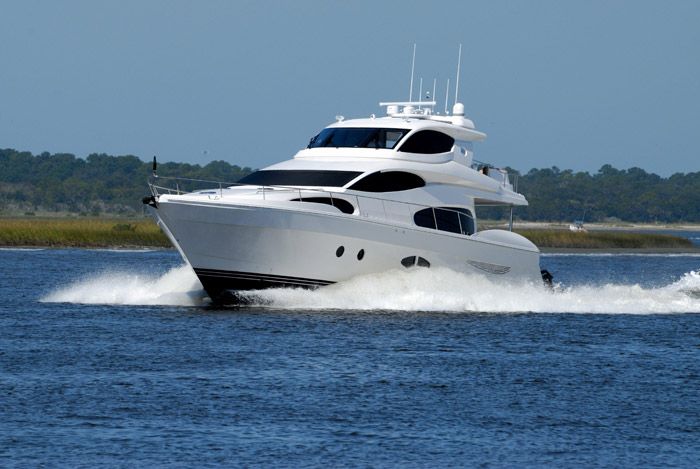
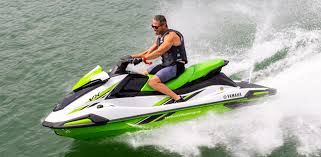
Pleasure boats running freely across the blue ocean and thrilling personal watercraft (jet skis). It is important for those wishing to obtain or renew their license to understand the "Small Vessel Operator License," which has seen changes such as expanded training hours due to system revisions and the end of transition measures for specific operator licenses.
In this article, we will explain the 2026 small vessel operator license situation, including license types, navigation ranges, renewal systems, differences from driving cars, and the real costs of maintaining a vessel, based on laws revised in 2024.
Types of Boat Licenses
Small vessel operator licenses are divided into three main categories depending on the size of the boat and the distance it can navigate. The license you need depends on how you want to play on the water.
License Type | Navigation Range | Target Vessel |
Class 1 Small Vessel | All waters (unlimited) | Less than 20 gross tons |
Class 2 Small Vessel | Within 5 nautical miles (approx. 9km) from coast | Less than 20 gross tons |
Special Small Vessel | Lakes, rivers, and within 2 nautical miles from coast | Personal watercraft only |
The major difference between Class 1 and Class 2 is the distance you can go. Class 1 allows navigation in all waters worldwide, while Class 2 is limited to about 9km from the coast. However, the size of the target vessel (under 20 gross tons, and under 24 meters for pleasure boats) is the same for both.
Special Status of the "Special" License
The most important point to note is the personal watercraft (jet ski). Under the old system, holders of a Class 1 or Class 2 license could operate jet skis, but they are now completely separate licenses.
In other words, even if you hold a Class 1 license, you cannot operate a personal watercraft unless you also hold a "Special Small Vessel Operator License." Conversely, a "Special" license alone does not allow you to operate a boat. If you want to enjoy both personal watercraft and boats, you need to hold both licenses (Class 1 or Class 2 + Special). This change was made due to an increase in jet ski accidents, but the hardest part is that you still need to take a practical exam for jet skis even if you have a boat license. Furthermore, strengthened practical training is scheduled from July 2026, which will slightly raise the bar for obtaining the license. For example, currently the Class 1 course (excluding practical exams) takes four days, but from July onwards, a five-day course will be required.
License Renewal Period
A boat license is valid for five years. Just like a driver's license for cars, renewal is required, but there is no practical exam for renewal, only a lecture course.
Differences in Governing Agencies: Cars are "Police", Boats are "MLIT"
An unexpected detail is the difference in the governing government bodies. While driver's licenses for cars are managed by local public safety commissions (police), boat licenses are managed by the Ministry of Land, Infrastructure, Transport and Tourism (MLIT). Therefore, the license is issued by the "Minister of Land, Infrastructure, Transport and Tourism."
Additionally, enforcement on the water is carried out mainly by the Japan Coast Guard rather than the police. Maritime laws such as the "Act on Preventing Collisions at Sea" apply instead of the "Road Traffic Act." Safety standards have become very strict in recent years, including severe penalties for drinking and driving and mandatory life jacket wearing.
The Difficulty of Having No Roads on the Sea
Driving feel and rules differ greatly between cars and boats. The biggest difference is that "there are no brakes." Because inertia works strongly on the water, you cannot stop suddenly. Also, since the hull is constantly drifted by wind and tides, you must always stay alert and anticipate your moves. Waves require particular attention. Furthermore, there is a rule of keeping to the right (worldwide standard) in ports and channels, but since there are no lanes like on roads, regional rules are strong, and it is crucial to check local rules before navigating. Accident damage costs can soar much higher than with cars.
Furthermore, just as cars have vehicle inspections, boats have "Vessel Inspections (Funaken)". You cannot take a boat out unless it passes this inspection conducted by the Japan Craft Inspection Organization (JCI). With periodic inspections every six years and intermediate inspections in the third year, the check system is more frequent than for cars. Also, there is no compulsory liability insurance like for cars, so you must absolutely get optional voluntary insurance.
Vessel Purchase and Maintenance: How Much Does the Dream Cost?
So, how much does it actually cost to own a boat? The purchase price varies widely, from hundreds of thousands of yen for a small used boat to tens of millions or even hundreds of millions of yen for a brand new luxury boat. However, what you truly need to consider is the "maintenance cost."
The Biggest Wall: The Cost and Reality of "Mooring Fees"
The highest hurdle in maintaining a boat is the **mooring/storage fee at a marina**. Since illegal mooring in rivers or on coasts is strictly enforced in Japan, you must store your boat at an authorized facility.
This fee is surprisingly high depending on the region. While using a local fishing port might only cost tens of thousands of yen per year, urban marinas often cost over 1 million yen annually. Additionally, initiation fees and facility usage fees may apply separately.
As of 2026, many popular marinas have waiting lists, and whether you can secure a spot before buying a boat is the deciding factor in becoming an owner.
Conclusion
A boat license is a wonderful qualification that grants you the vast freedom of the sea once obtained. However, rules for obtaining and maintaining it have become more complex and strict due to periodic legal revisions. Make sure to plan a safe and rich marine life based on a proper understanding of the sea's unique rules and the far-from-cheap maintenance costs.
References